-
 According to the latest data from Feeding America, nearly one million Missourians faced food insecurity in 2024. But a program in Missouri is working to fight food insecurity by bringing locally raised pork to Missourians' plates.
 -
 Laveta Lockridge and Job Green work at the Lincoln University Extension office in Caruthersville. This year, they started a community garden as a way to educate folks on nutrition, as well as provide them with free, fresh produce in an area where that can be hard to get.
 -
 Congressional lawmakers are looking to add rotisserie chicken to the list of foods people can purchase with Supplemental Nutrition Assistance Program benefits. Currently, the program excludes hot and pre-prepared foods.
 -
 The Missouri Department of Social Services applied last year for federal permission to implement its Healthy SNAP initiative. As the department works with grocers to iron out details, it’s unclear whether the changes will go into effect Oct. 1 as planned.
 -
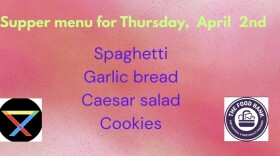 Open Table is the local soup kitchen in Fulton that serves dinner to the community four days a week — regardless of income. Sue Beaty is the president and shared a little about the group and how they're serving the community through conversation and over dinner
 -
 While the federal government has reopened and Supplemental Nutrition Assistance Program, or SNAP, benefits have been reinstated — for LGBTQ+ individuals, the ability to access food assistance remains difficult and uncertain.
 -
 As Missouri families prepare for the loss of Supplemental Nutrition Assistance Program, or SNAP, benefits, Columbia's school district and the area's main food bank are bracing for the ripple effects that could hit thousands of children and households across Boone County.
 -
 According to the report, an estimated 779,000 people are food insecure in Missouri.
 -
 After pandemic era food assistance programs ended in 2021, rates of food insecurity started rising.
 -
 Hogs for Hunger is a program that allows farmers to donate pigs to their local food banks or senior centers for a tax deduction. Since the program began, more than 2.6 million servings of pork have been donated.

© 2026 University of Missouri - KBIA
Play Live Radio
Next Up:
0:00
0:00
Available On Air Stations


