-
 Dyed diesel is typically illegal for highway use, but the governor's executive order makes an exception for vehicles operating on state highways for agricultural purposes.
 -
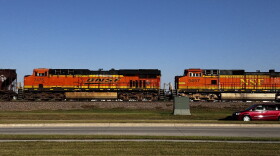 Harvest season is nearing for many farmers. But the railroads that transport their harvested grain have raised their shipping costs with record-high diesel prices. That could mean lower grain prices for growers.
 -
 KBIA’s award-winning news series returns to explore farmland access and preservation.
 -
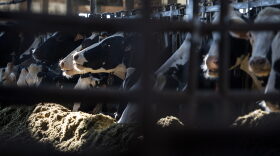 After trade talks between the countries fell apart last month, the Trump administration and Canada's leaders have rolled out new tariffs on everything from dairy products to machinery. Experts say farmers will likely feel the squeeze on both ends.
 -
 Serviceberries, or juneberries, are a native fruit beloved by wildlife. But now they’re moving from backyards to farms, and some hope they’ll soon be on your plate.
 -
 An official review of the United States-Mexico-Canada Agreement begins in July. President Trump already has suggested the U.S. would be better off without it.
 -
 Congressional lawmakers are looking to add rotisserie chicken to the list of foods people can purchase with Supplemental Nutrition Assistance Program benefits. Currently, the program excludes hot and pre-prepared foods.
 -
 The Natural Resources Conservation Service is a federal agency that helps farmers protect soil and water and fight climate change. Advocates say those goals are in jeopardy.
 -
 Beginning in November, SNAP retailers across the U.S. will be required to stock more healthy foods. But experts say the change will ultimately leave federal food aid users with fewer options — especially in rural areas.
 -
 An invasive worm is destroying forest floors and gardens across the country. Once jumping worms get into the soil, they're nearly impossible to get rid of — so experts say curbing their spread is the best tool against them.

© 2026 University of Missouri - KBIA
Play Live Radio
Next Up:
0:00
0:00
Available On Air Stations


