-
 Methamphetamine use in Missouri looks different than it did in the 90s and early 2000s, but nevertheless — it remains a problem. There's limited treatment options that exist for Missourians with stimulant use disorder, and some barriers prevent even those options from being more widespread.
 -
 There is now greater access to naloxone, a medication that can reverse opioid overdoses, in Boonville and Cooper County.
 -
 In the late 1990s and early 2000s, it was not unusual to hear people call Missouri the "meth capital of America" due to the large number of methamphetamine labs in the state. But what does methamphetamine usage and production look like in the state today?
 -
 Dr. Kimberly Spence is a member of the Show-Me Echo that focuses on mothers, infants, and Neonatal Abstinence Syndrome (NAS). This is a regular, virtual convening of medical professionals from across the state that works to share best practices of how to care for these at-risk infants and their mothers.
 -
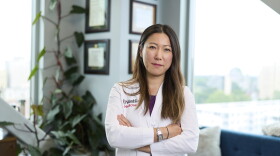 Dr. Jeannie Kelly and Dr. Bridget Gelati both work at WashU Medicine's CARE [the Clinic for Acceptance, Recovery, and Empowerment], and spoke about how substance use disorder treatment during pregnancy can help parents — and babies thrive.
 -
 In July, the U.S. Drug Enforcement Administration announced its intent to make 7-OH — a potent synthetic opioid — a schedule 1 drug. In other words, 7-OH would be classified as an illegal, addictive substance with no medical use.
 -
 Dr. Jeremiah Weinstock is the chair of the Department of Psychology at St. Louis University. He’s spoke about some of the defining characteristics of substance use disorders, as well as reflected on the difficulties his patients face while in recovery.
 -
 Dr. Doug Burgess the medical director of Addiction Services at University Health in Kansas City and teaches psychiatry at UMKC. He spoke about how he got into the field of addiction psychiatry and about some of the misconceptions people — including himself at one point — have about those with substance use disorders.
 -
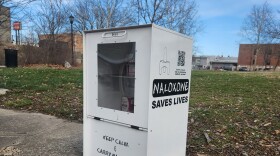 Naloxone is a life-saving medication that can reverse an opioid overdose. Now, it is largely available across Missouri. But a proposed budget cut could dramatically reduce its availability.
 -
 Nurses Drew Herbert and Matt Farmer are University of Missouri researchers trying to find out if generative AI, along with professional therapy, can help pregnant people with opioid use disorder who are ready to seek care.

© 2026 University of Missouri - KBIA
Play Live Radio
Next Up:
0:00
0:00
Available On Air Stations


